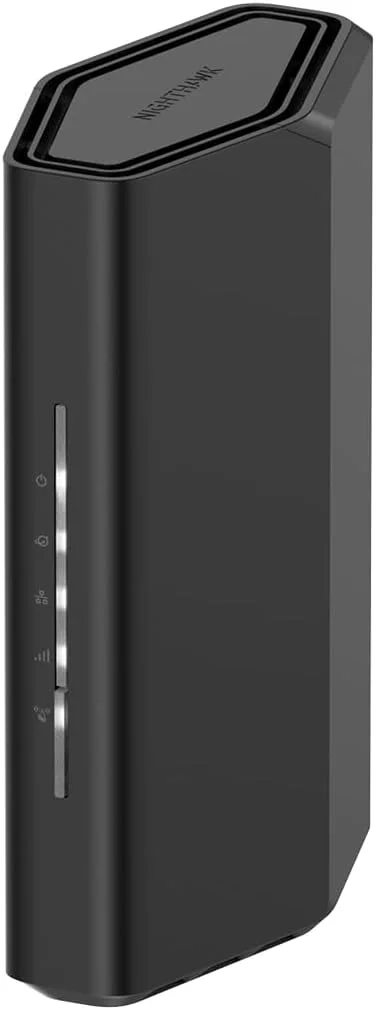
NETGEAR Nighthawk RS90 WiFi 7 Router Setup Guide
Understanding the capabilities of a WiFi 7 router is key for tech enthusiasts and large households seeking an upgrade. This guide explores the Nighthawk RS90’s performance, coverage for up to 50 devices, and integrated security features. Many users look for this information to ensure reliable streaming and a robust smart home network.
Introduction
In today’s connected home, a sluggish internet connection can disrupt everything from a critical video call to an intense gaming session. Upgrading your network hardware is the most effective way to eliminate these frustrations. For those seeking top-tier performance, a WiFi 7 router represents the cutting edge of wireless technology, offering unprecedented speeds and reliability that can transform your online experience.
WiFi 7 Router Problems and Solutions
Many users invest in high-speed internet plans but don’t see the full benefit because their older router creates a bottleneck. Common issues include buffering during 4K streaming, lag in competitive online gaming, and dropped connections when multiple devices are active. The problem often isn’t the internet service itself, but the home network’s inability to manage modern demands. A WiFi 7 router directly addresses these pain points by handling more data traffic with greater efficiency.
Step-by-Step Solutions
Upgrading to a WiFi 7 router is straightforward. Follow these steps to ensure a smooth transition and optimal performance.
- Check Device Compatibility: First, verify that your key devices (like a new laptop, phone, or gaming console) support WiFi 7 to take full advantage of its speed. Older devices will still connect and often see improved stability.
- Understand Your Setup: Remember, a router is not a modem. You will need a separate modem from your Internet Service Provider (ISP) or a compatible standalone model. The router connects to the modem to broadcast your WiFi signal.
- Optimize Placement: Position your new router centrally in your home, away from thick walls and large metal objects, to maximize coverage. Many modern models, like those in the Smart Home category, are designed with a smaller footprint for easier placement.
- Secure Your Network: Immediately set a strong, unique password. Utilize built-in security suites, such as NETGEAR Armor, which often come with a trial to provide enhanced protection against online threats.
Alternatives and Comparisons
If a full WiFi 7 router upgrade isn’t feasible yet, consider these alternatives. A high-quality WiFi 6 or WiFi 6E router still offers a massive improvement over older standards and is more budget-friendly. For larger homes, a mesh WiFi system can solve coverage issues but may not reach the same peak speeds as a dedicated WiFi 7 router. The key differentiator for WiFi 7 is its ability to use wider channels and smarter data handling, which reduces latency—a critical factor for real-time applications like gaming, which you can read more about in our Gaming and Accessories category.
Practical Use Cases
The real-world benefits of a WiFi 7 router are immediately noticeable. A household with multiple people streaming 4K video, attending video conferences, and gaming online simultaneously will experience no slowdown. File transfers and large game downloads finish in a fraction of the time. The reduced latency means quicker response times in fast-paced games and smoother video calls. It effectively future-proofs your home network for next-generation wearable technology and smart devices.
FAQs
What is the main benefit of a WiFi 7 router?
The primary benefit is dramatically increased speed and capacity, with lower latency. This translates to smoother streaming, faster downloads, and a more responsive connection for gaming and video conferencing on all your devices at once.
How does a WiFi 7 router compare to a WiFi 6 router?
A WiFi 7 router is significantly faster, offering speeds that can exceed WiFi 6 by over 1.2 times. It uses advanced technology to manage network congestion more intelligently, providing a more stable and efficient connection, especially in crowded wireless environments.
Is a WiFi 7 router worth it for an average household?
For an average household with many connected devices—including phones, tablets, laptops, and smart home gadgets—a WiFi 7 router is a powerful upgrade that maximizes your internet plan’s value. It solves common bandwidth issues and prepares your network for future high-demand applications.
Conclusion
Upgrading to a WiFi 7 router is a strategic investment in your home’s digital infrastructure. It directly tackles the common problems of slow speeds, buffering, and wireless congestion. By following the proper setup steps and understanding its advantages over previous standards, you can unlock a faster, more reliable, and seamless online experience for every connected device in your home.
About This Topic
A WiFi 7 router is the latest generation of wireless networking equipment, designed to deliver the fastest possible internet speeds and the most reliable connection throughout your home. It builds upon previous WiFi standards by utilizing wider channels, more efficient data encoding, and smarter traffic management to handle the demands of dozens of modern devices simultaneously.
This technology benefits anyone frustrated with slow internet, especially households with multiple users who game, stream in 4K or 8K, work from home, or use numerous smart devices. It is particularly valuable for professionals requiring rock-solid video conferencing and enthusiasts in the Gaming and Accessories space who need ultra-low latency.
A common misconception is that a router provides internet service on its own. In reality, a WiFi 7 router must be connected to a separate modem that receives service from your Internet Service Provider (ISP). Another concern is device compatibility; while only the newest devices will leverage the full speed of WiFi 7, all older gadgets will still connect and often experience better performance due to the router’s increased efficiency and stability.