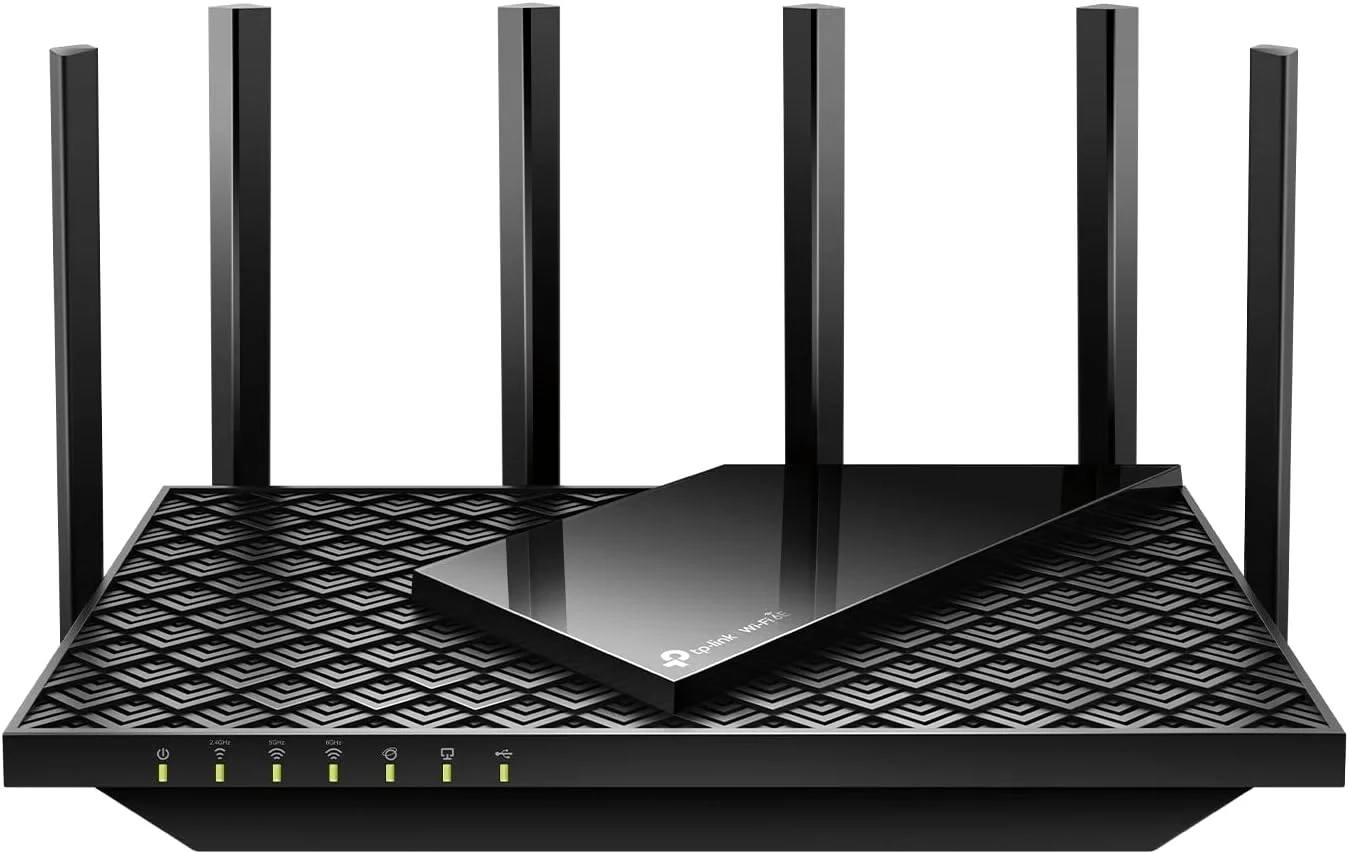
TP-Link Archer AXE75 WiFi 6E Router Review
Understanding the TP-Link Archer AXE75 WiFi 6E router is essential for anyone seeking a powerful home network upgrade. This guide explains its tri-band performance and VPN support, which many users look for in a gaming or high-traffic household. We’ll cover its key features to help you determine if this router meets your needs.
Introduction
In today’s connected home, a sluggish internet connection can disrupt everything from video calls to 4K streaming. Upgrading your network hardware is often the most effective solution. A Tri-Band WiFi 6E Router, like the TP-Link Archer AXE75, represents the current pinnacle of home wireless technology, designed to eliminate bottlenecks and handle dozens of devices simultaneously.
This powerful class of router delivers a combined wireless speed of up to 5400 Mbps across three separate bands. It future-proofs your home network, ensuring smooth performance for years to come. Let’s explore how this technology solves modern connectivity woes.
Tri-Band WiFi 6E Router Problems and Solutions
Many households face common network issues that a standard router can’t solve. Constant buffering during movie night, lag spikes in competitive online gaming, and dropped connections on video calls are frequent complaints. These problems often stem from network congestion, where too many devices compete for limited bandwidth on older dual-band systems.
The core issue is that traditional Routers operate on only two frequencies: 2.4 GHz and 5 GHz. With the proliferation of smart home gadgets, phones, and computers, these bands become overcrowded. This leads to interference, slower speeds, and higher latency, frustrating every user on the network.
Step-by-Step Solutions
Implementing a Tri-Band WiFi 6E router effectively tackles these challenges. Here’s how to leverage its features for a superior home network:
- Utilize the Exclusive 6 GHz Band: Connect your newest, most demanding devices—like a gaming PC, 4K streaming box, or VR headset—to the dedicated 6 GHz network. This band is uncongested and offers near-zero latency.
- Segment Your Network Intelligently: Use the second 5 GHz band for other high-performance tasks like video chatting and large file downloads. Reserve the 2.4 GHz band for older smart home devices and IoT gadgets that require longer range but less speed.
- Expand Coverage with OneMesh: If you have dead zones, add a compatible TP-Link OneMesh extender. This creates a seamless whole-home network with a single SSID, allowing devices to roam without dropping connection.
- Enable HomeShield Features: Activate the free tier of TP-Link HomeShield for basic network security scans, IoT device identification, and parental controls to manage screen time and content access.
Alternatives and Comparisons
While a Tri-Band WiFi 6E router is top-tier, alternatives exist. A standard WiFi 6 router (without the 6E designation) is an excellent, often more affordable choice for homes with fewer high-demand devices, as it lacks the new 6 GHz band.
Mesh WiFi systems are a popular alternative for coverage, using multiple nodes to blanket a large area. However, a high-performance standalone router like the Archer AXE75 often provides better raw speed for its price. For ultimate flexibility, this router can later be converted into the main node of a OneMesh system if needed.
Practical Use Cases
Imagine a family where one member is gaming online in 4K, another is on a HD video conference call, while others stream movies and scroll social media. A Tri-Band WiFi 6E router allocates each high-bandwidth activity to its own clear highway, preventing any single task from slowing down the others.
For smart home enthusiasts with dozens of connected devices in the Smart Home category—from lights to cameras—the router’s OFDMA technology efficiently communicates with multiple devices at once. Similarly, in the Gaming and Accessories category, the 6 GHz band provides the ultra-responsive, low-latency connection critical for competitive play.
FAQs
What is a Tri-Band WiFi 6E Router?
It’s a router that broadcasts three separate wireless signals: one on the traditional 2.4 GHz band, one on the 5 GHz band, and a new one on the exclusive 6 GHz band. The 6 GHz band is the key feature of WiFi 6E, offering vastly more capacity and less interference for compatible devices.
How does WiFi 6E compare to standard WiFi 6?
The primary difference is the addition of the 6 GHz frequency band. Standard WiFi 6 operates on 2.4 GHz and 5 GHz only. WiFi 6E opens a new, wide-open spectrum that is free from legacy device traffic, resulting in faster speeds and significantly reduced latency for 6E-enabled gadgets.
Is a Tri-Band WiFi 6E Router worth it for my home?
It is an excellent investment if you have a fast internet plan (300 Mbps or higher), own several new WiFi 6E compatible devices, and regularly experience congestion with multiple simultaneous users. It’s ideal for tech-heavy households, remote workers, and serious gamers who need the most reliable connection.
Conclusion
Upgrading to a Tri-Band WiFi 6E Router is a powerful step toward solving modern home network congestion. By providing a dedicated 6 GHz highway for your most demanding tasks and intelligently managing all connected devices, it delivers faster, more reliable WiFi to every corner of your home. This technology ensures your network can keep pace with your digital life, both today and in the future.
About This Topic
A Tri-Band WiFi 6E Router is an advanced networking device that represents the latest evolution in home wireless technology. It broadcasts three independent wireless networks: the standard 2.4 GHz and 5 GHz bands, plus a new, uncongested 6 GHz band made possible by the WiFi 6E standard. This design is engineered to handle the extreme demands of modern connected households, providing dedicated pathways for high-bandwidth activities to prevent interference and slowdowns.
This technology benefits a wide range of users. Online gamers and 4K streamers will appreciate the near-zero latency and blistering speeds of the 6 GHz band. Remote workers and families with many simultaneous users will enjoy a stable, congestion-free connection for video calls and browsing. It’s also a smart choice for tech enthusiasts who own numerous smart home devices and want to future-proof their network for upcoming gadgets.
Common misconceptions include the belief that you need an extremely fast internet service provider plan to benefit. While these routers can handle gigabit speeds, their greater value lies in managing internal network traffic between your devices, reducing lag and interference regardless of your internet speed. Another concern is device compatibility; while only newer devices can use the 6 GHz band, all your existing gadgets will still connect to the 2.4 or 5 GHz networks, often with improved performance due to reduced congestion.
Key features that define these routers include:
- The 6 GHz Band: Offers more bandwidth and capacity for compatible devices.
- High-Speed Processing: Powered by multi-core CPUs and ample RAM to manage data traffic efficiently.
- Expanded Device Capacity: Technologies like OFDMA allow communication with dozens of devices at once without slowdowns.
Ultimately, investing in a WiFi 6E tri-band router is about ensuring a seamless, responsive, and scalable wireless foundation for an increasingly digital home.